
One lake, so much to discover
Photographs of Lake Como make everything look so simple. Colourful waterfront houses, villas climbing the hillsides, little harbours and boats gliding slowly across the water. Then you start planning and soon realise that Lake Como is not small at all. Where you arrive, where you stay and how you get around make a real difference.
The good news is that you can explore it beautifully without a car. In some ways it is even more enjoyable: instead of driving narrow, winding lakeside roads, you can watch the mountains and waterfront houses from a boat.
This guide explains how to reach Lake Como, how transport works, which towns and historic villas to explore, and what to arrange so your holiday is not spent scrolling through timetables.
Where is Lake Como, and which town should you choose?
Lake Como, or Lago di Como, is in Lombardy in northern Italy, north of Milan and close to Switzerland. Its distinctive inverted Y shape is lined with towns that each have their own character.
Como sits at the end of the south-western branch. One of the area’s largest and most accessible towns, it offers everyday Italian city life, restaurants, shops, inviting squares and a lovely historic centre.
Bellagio occupies the middle of the lake and is often called its pearl. Narrow stepped streets, elegant buildings and its striking position make it the classic Lake Como experience for many visitors.
Varenna, on the eastern shore, is smaller and more intimate. Its colourful houses seem to rise straight from the water, and the waterfront walk is particularly beautiful.
Menaggio, Tremezzo and Lenno are also worth visiting, especially if you want to look beyond the best-known places.
A good base
For a first visit, Como or Varenna makes an excellent starting point. Como is more practical if you want a larger, easily reached town. Varenna is ideal if your priorities are Bellagio and the central lake.
How do you get to Lake Como?
The most obvious approach is flying to one of Milan’s airports and continuing by train, bus or car. There are three to consider: Malpensa, Linate and Bergamo.
Milano Malpensa (MXP) – a convenient choice for Como
Malpensa is north-west of Milan and particularly useful if you are staying in Como.
From the airport station, take the Malpensa Express to Saronno and change for a train towards Como Lago.
Follow the train signs at the airport; both T1 and T2 have stations. Enter your actual terminal as the departure station and Como Lago as the destination. Choose a Malpensa Express that stops at Saronno, then check the departure board there for the Como Lago train and its platform. Check the full journey time and price in the Trenord planner, allowing for baggage collection and the connection after landing.
Como Lago is wonderfully placed: the waterfront is just a few steps away when you leave the station.
Alternatively, take the Malpensa Express into Milan and another train to Como. This is usually a longer detour, but useful if you also want to stop in Milan.
A taxi or pre-booked transfer can reach Como in roughly 45–60 minutes, depending on traffic. It costs considerably more than the train, so is most worth considering for several passengers or lots of luggage.
Milano Linate (LIN) – a straightforward connection through Milan
Linate is the closest of the three airports to central Milan.
The blue M4 metro reaches San Babila in around 12 minutes. The listed metro fare is €2.20, with transfers to other Milan metro lines within the ticket’s validity.
For Milano Centrale, you can leave M4 at Sforza Policlinico and follow the signed walking connection to Missori on M3. Take M3 towards Comasina to Centrale FS, then follow signs to the railway departures hall. Your metro ticket does not cover the train to Como: buy a separate rail ticket. Direct trains from Centrale reach Como San Giovanni in around 40 minutes; check the fare for your chosen service. ATM’s guidance explains the connection.
Overall, allow roughly 1½–2 hours from the airport to Como, depending on connections.
Bergamo – Orio al Serio (BGY) – useful for low-cost flights
Bergamo Airport is familiar to many European travellers thanks to its numerous low-cost services.
One of the simplest routes is a direct airport coach to Milano Centrale. Operators’ prices and departures differ, so check your date, baggage conditions and stop when booking. The journey can take around an hour, but Milan traffic may extend it. The airport coach and onward train require separate tickets.
From Milan, the train to Como takes another roughly 40 minutes. Including waiting, the whole journey can take around 2–2½ hours.
There is another option for Varenna: take the local airport bus to Bergamo railway station, then continue by train via Lecco. You may not need to detour through Milan.
How does transport around Lake Como work?
The important thing to understand is that trains, buses and boats together form the lake’s transport network.
Some areas are well served by rail, others have buses as their only land-based public transport, and boats are often the most practical option between the central towns.
Exploring by train
Trenord regional trains connect Milan with Como, Lecco and Varenna.
Remember two station names in Como. Como San Giovanni is an important stop for services from Milano Centrale; Como Lago is right beside the water and connects with Milano Cadorna.
For trips to Bellagio or Varenna, consider the eastern shore’s railway. Direct trains from Milano Centrale reach Varenna-Esino in around 64 minutes.
Buy tickets on the Trenord website, in its app or at station machines. Enter the exact station: Como S. Giovanni, Como Lago or Varenna Esino. The train’s final destination may be Tirano or Chiasso, so check that it also stops at your station.
Using your ticket
Buying and validating a ticket are not always the same. Trenord online rail tickets for a specific date and time activate automatically; use “Activate early” if travelling earlier. Reloadable tickets must be tapped at a validator or gate before boarding. For tickets bought through another seller, follow that seller’s rules. Keep the QR code accessible without a signal and retain the ticket until you leave the station. Official ticket guidance.
Buses – inexpensive, with a little planning
Local services are mainly operated by ASF Autolinee.
Buses within Como are affordable, with interurban services reaching further towns.
The C110 runs along the western shore towards Menaggio, serving places including Tremezzo and Lenno. It is useful for visiting the famous villas too.
The Como–Bellagio bus is C130 and passes through the Nesso area.
Older guides may still refer to C10 and C30, so use the latest timetable.
With SwipeOnLake, you can buy a ticket by contactless payment at the green onboard reader. Wait for confirmation: a red signal is not a valid ticket. The flat fares published from 1 September 2026 are €4.90 on C110 Como–Menaggio and €4.40 on C130 Como–Bellagio. They cover one journey, with no tap required when getting off. For a short section, a distance-based ticket bought beforehand may be cheaper, so do not assume contactless is always the lowest fare.
In Como, look for information at Piazza Matteotti bus station; check your exact stop and direction before departure. Lenno and Tremezzo are on the western route, while Bellagio is on the other branch. In timetables, feriale refers to working-day services and festivo to holiday services; read school-day notes too. ASF routes and current timetables.
Lakeside roads are often narrow and winding. In summer, especially at weekends, traffic can delay buses and popular services can be crowded.
Boats – the most beautiful way to travel
If I had to include one thing in a Lake Como trip, it would be a boat journey.
Not just because it is practical. Towns look entirely different from the water. Hillsides rising above the houses, lakeside gardens and villas are particularly lovely from a boat’s deck.
Scheduled services are operated by Navigazione Laghi. A conventional battello is a passenger boat calling at several stops, servizio rapido means a fast service, and a traghetto is a ferry that also carries cars across the central lake.
Ferries are especially useful between Bellagio, Varenna, Menaggio and Cadenabbia. Bellagio–Varenna, for example, takes around 15 minutes, with an adult single costing roughly €5–6.
Como–Bellagio can take more than two hours on a conventional boat; fast services are usually considerably quicker. They require a supplement, so check exactly which service your ticket covers.
Day tickets allow unlimited travel within specified sections. With several crossings they may cost less than singles, but they do not automatically cover the entire lake and every fast service. Ask for a ticket covering your planned stops and check its area and any fast-service supplement. Keep rail, bus and boat tickets separate: a Milan metro ticket or boat day pass does not replace the others.
Find exact timetables and fares on the Navigazione Laghi official website.
A practical tip: in summer, aim to reach the pier at least 20–30 minutes before departure and check the last boat back in the morning. Not every route operates late into the evening, and services are less frequent in autumn and winter. Strong winds or bad weather can also cause cancellations.
What should you see around Lake Como?
There is far more here than famous views: historic centres, botanical gardens, mountain viewpoints and little villages where an afternoon passes pleasantly.
Try not to fit everything into one day. Part of Lake Como’s beauty is simply sitting beside it and watching the water.
Como – a lovely place to begin
Como’s particular advantage is how naturally the historic centre and waterfront flow into each other.
One of its most important buildings is the Duomo di Como, the Cathedral of Santa Maria Assunta, built over several centuries. Its façade, vast dome and richly decorated interior make it worth visiting even if churches are not usually your main interest.
The surrounding streets have inviting cafés and shops, so allow yourself to wander without a precise destination.
Within a few minutes you reach the waterfront promenade, with harbours, parks and buildings facing the lake. If the history of science interests you, visit the Tempio Voltiano museum, dedicated to Alessandro Volta, inventor of the electric battery.
Brunate – views above the town
Como also has the lower station of the famous Como–Brunate funicular.
The hillside ride reaches Brunate in around seven minutes. The journey is scenic, but continue to the viewpoints once you arrive. On a clear day, the southern lake basin, Como and the surrounding mountains spread out below.
With time and energy for a longer walk, continue towards the Faro Voltiano lighthouse.
The official Como–Brunate information lists general operating hours from 6 am until midnight. Check exact times and maintenance closures, however: for example, planned work suspends service from 9 to 27 November 2026.
Bellagio – Lake Como’s best-known pearl
Bellagio stands on the peninsula where the lake’s three branches meet. Arrival is special, particularly by boat as the colourful waterfront buildings gradually come into view.
The centre has narrow cobbled streets, some with steep steps. Salita Serbelloni is one of the most famous, but the little streets around it are just as atmospheric.
You can easily spend several hours here without a formal activity. Browse a small shop, have a coffee and wander down to the water.
For a distinctive view, walk to Punta Spartivento, where you can clearly see the lake’s branches coming together.
Bellagio can be very crowded in summer. Arrive in the morning if possible, while many tour groups are still on their way.
Varenna – a little lakeside Italian romance
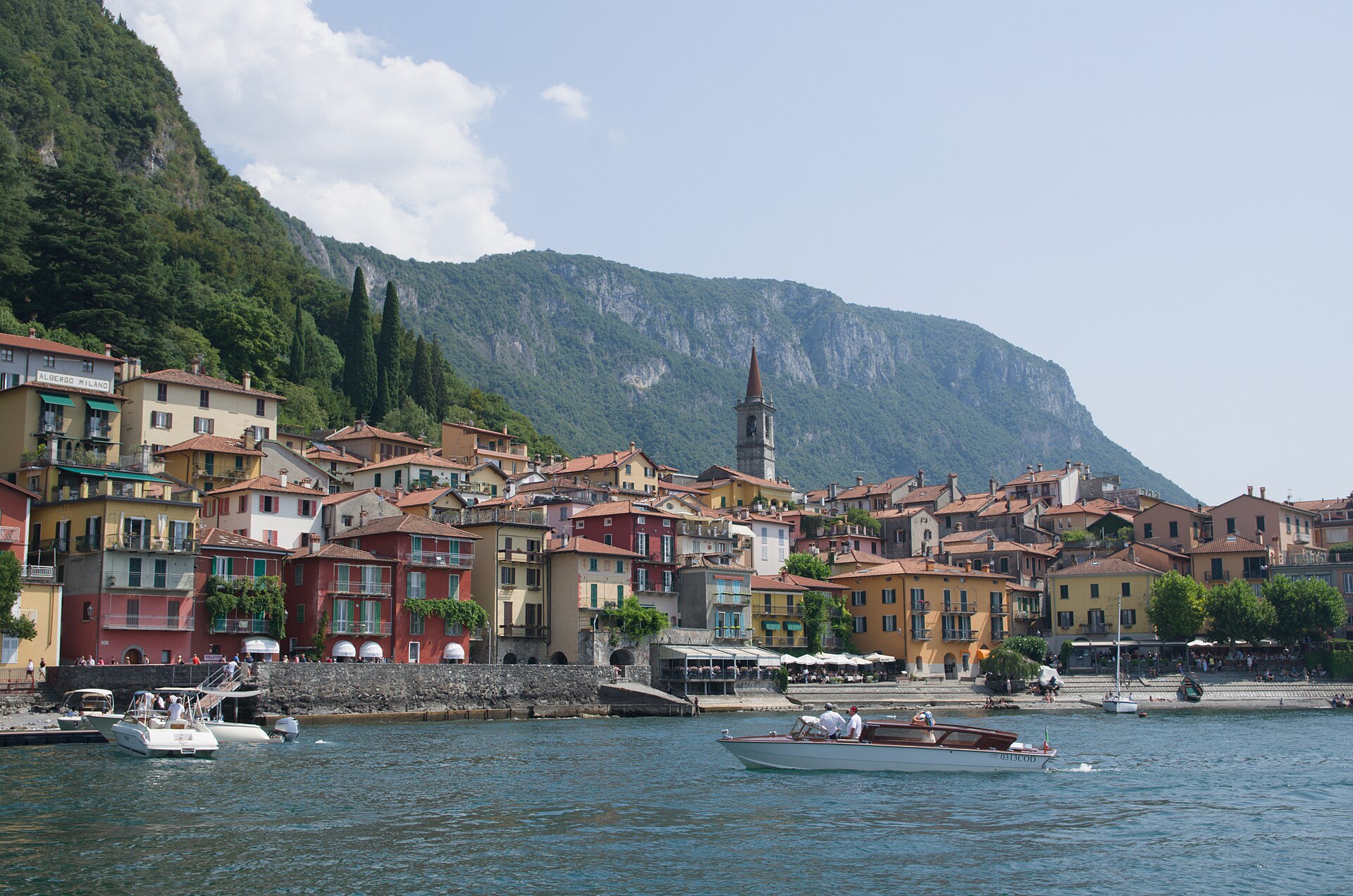

Varenna is not necessarily a place you visit for one major attraction. Its whole atmosphere is what makes it memorable.
One of the loveliest parts of the route from the station towards the harbour and old town is the Passeggiata degli Innamorati, the Lovers’ Walk. Its waterside section offers wonderful views of the lake and colourful houses.
If you enjoy walking and do not mind a climb for a panorama, Castello di Vezio above Varenna is worth the effort. The path to the medieval castle is steep, so wear comfortable shoes. From the top, the central lake opens out with Bellagio’s peninsula beyond.
Varenna is especially beautiful in the afternoon and early evening as changing sunlight alters the colours of the water and houses.
Menaggio – a slower afternoon beside the water
Menaggio is a pleasant small town on the western shore. Easy to reach by ferry from Bellagio, it fits naturally into a central-lake outing.
Its long promenade, with views of mountains across the water, is a particular attraction.
A visit is less about major landmarks and more about an unhurried terrace lunch, a waterfront stroll or finding somewhere for an afternoon ice cream.
Nearby beaches can be a summer option, but not every part of Lake Como’s shore is safe for swimming. Choose designated areas where swimming is permitted and watch for boat traffic.
Nesso and Bellano – something a little different
After the best-known towns, two unusual places are worth adding to your list.
Nesso is a small village between Como and Bellagio. Its best-known feature is the Orrido di Nesso, where water descends from a gorge between the houses into the lake. The old stone bridge and buildings above the water create a striking scene.
On the eastern shore north of Varenna, Bellano is known for the Orrido di Bellano. Walkways between the rock faces let you see how water has shaped the narrow gorge.
It is a good choice for a nature-focused activity alongside the historic villas.
Lake Como’s loveliest villas – which should you visit, and how?
The lakeside villas are among the area’s best-known attractions. Elegant buildings, carefully designed gardens, terraces with statues and views that make it hard to choose where to point your camera.
They are not all alike. Some open only their gardens, while others allow visits inside. Some require advance reservations; elsewhere you can simply buy a ticket at the entrance.
For a stay of a few days, these are the four I would consider first.
Planning your budget
The four basic tickets detailed below total €55.50 per adult, or €67.50 including the Balbianello and Monastero interiors. Transport, water taxis, food and accommodation are extra. Monastero’s special Christmas event has different prices, and Melzi closes in winter. This is a comparison, not a combined ticket available all year.
Villa del Balbianello – one of the lake’s most remarkable settings
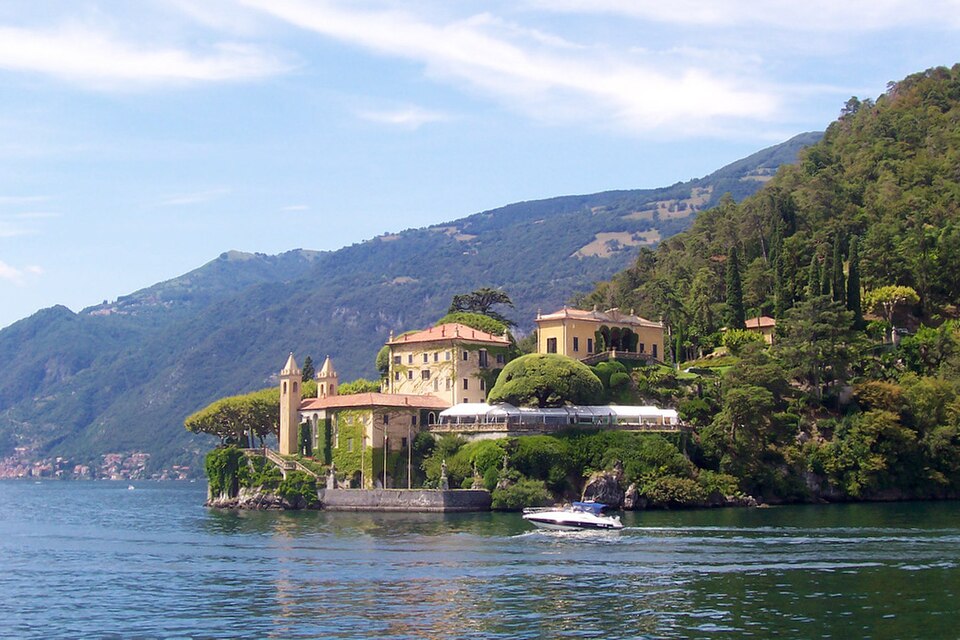

If you have seen a photograph of an elegant pale villa at the tip of a green peninsula on Lake Como, chances are it was Villa del Balbianello.
It stands near Lenno on the Dosso di Lavedo peninsula. Developed in the late 18th century, it later belonged to Italian explorer and collector Guido Monzino. Thanks to his legacy, visitors can now explore the villa and its unusual collections.
It has film connections too: scenes from Star Wars: Attack of the Clones and Casino Royale were filmed here.
The garden and panoramic loggia are undoubtedly highlights. The terraces face the lake in almost every direction, while carefully clipped greenery takes on distinctive shapes.
How do you get there?
From Como, take C110 towards Lenno or a scheduled boat. From Bellagio and Varenna, cross to the western shore by boat and continue towards Lenno using the appropriate connection.
There are two approaches from Lenno. Note that the walking distances below begin at the start of the villa’s access path; the walk there from the scheduled ferry pier or bus stop is additional.
On foot, a partly gravel, uphill route of around one kilometre takes roughly 25 minutes. A longer woodland route of about 2.5 kilometres takes around 45 minutes.
Alternatively, water taxis leave from around Lido di Lenno and drop you near the villa. This is a separately paid, pre-booked service run by another operator, not the villa itself. The boat fare does not include admission.
If you would like the arrival to be part of the experience, approaching by water is a lovely choice.
Tickets and visiting
Listed 2026 adult prices are €15 for the garden or €25 for the garden and interiors.
Interiors are accessible only on a guided tour lasting around 50 minutes. Your booked time is for entering the estate; the exact guided-tour departure is assigned on arrival. You may wait another hour, so avoid booking a return boat immediately afterwards. Check the tour language when booking too.
Advance online reservations are compulsory for both ticket types.
The villa opens for much of the year, but hours are seasonal and there are usually weekly closure days. November, for example, has shorter 10 am–5 pm hours, while December opens only on selected dates.
How long should you allow?
Allow at least 1–1½ hours for the garden. With interiors, plan 2–3 hours in addition to getting there.
There is no conventional café or luggage storage. Leave large suitcases at your accommodation and plan lunch around Lenno. The uphill gravel path is not straightforward with a pushchair or limited mobility; contact the visitor site in advance about suitable access.
I would especially recommend Balbianello if you enjoy dramatic views, historic buildings or simply want to see one of Lake Como’s most recognisable places.
Official information and reservations: Villa del Balbianello – FAI.
Villa Carlotta – where art meets nature
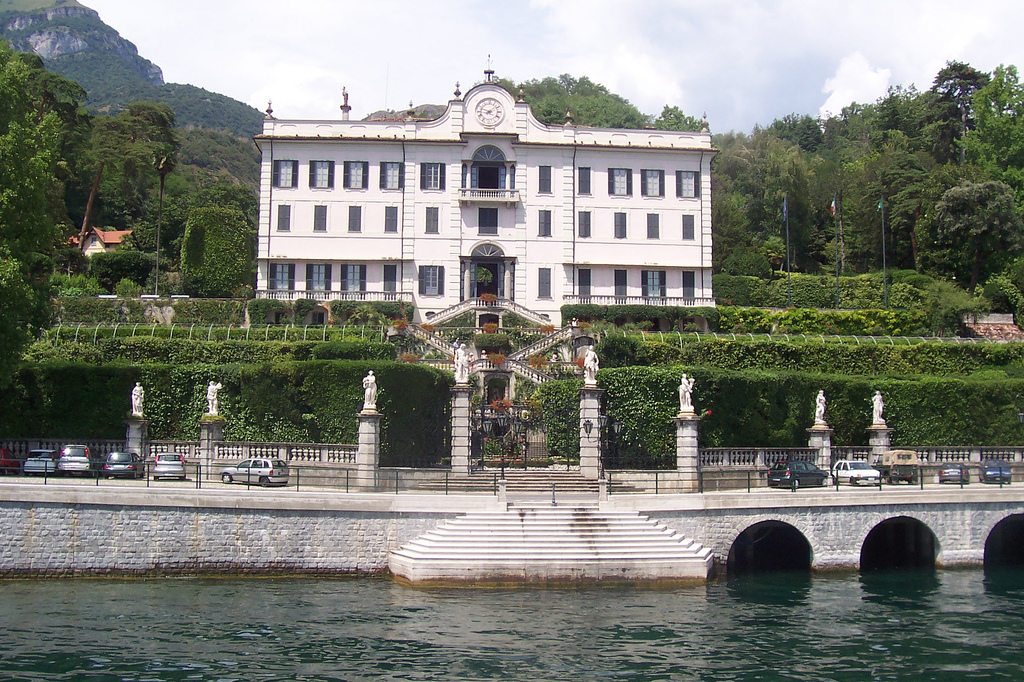

Villa Carlotta in Tremezzo offers a different experience.
The lakeside view shares the spotlight with an extensive botanical garden and the villa’s art collection.
Built in the late 17th century, it passed through several owners. Important artworks were added in the 19th century, and today the collection includes works by artists such as Antonio Canova and Bertel Thorvaldsen.
The garden is especially impressive in spring, when azaleas, camellias and rhododendrons bloom.
It is much more than a few neat flowerbeds. Long paths, varied plant collections, terraces and secluded corners can easily occupy several hours.
How do you get there?
Villa Carlotta is relatively straightforward to reach.
From Como, take C110 towards Tremezzo and get off near the villa. Some western-shore boat services call at Tremezzo–Villa Carlotta pier, around 400 metres from the entrance.
From Bellagio or Varenna, the boat is also the most convenient choice. Depending on the timetable, you may arrive directly at Tremezzo or nearby Cadenabbia, with an additional walk or local journey from the latter.
You can drive too, but finding parking can be difficult in summer.
Tickets and visiting
The listed 2026 adult ticket is €17.50 and includes both gardens and museum rooms.
Advance reservations are not compulsory, though tickets are available online.
Hours change seasonally. The published autumn 2026 period from 19 October to 8 November had 10 am–6 pm opening, followed by selected November and December weekends with shorter hours. Visits on other closed dates require separate arrangements.
How long should you allow?
At least two hours; 2½–3 hours is reasonable for enjoying both gardens and building without rushing.
Villa Carlotta is my choice for anyone drawn to botanical gardens, flowers and art as well as lake views.
Official information and tickets: Villa Carlotta.
Villa Monastero – a special waterfront walk in Varenna
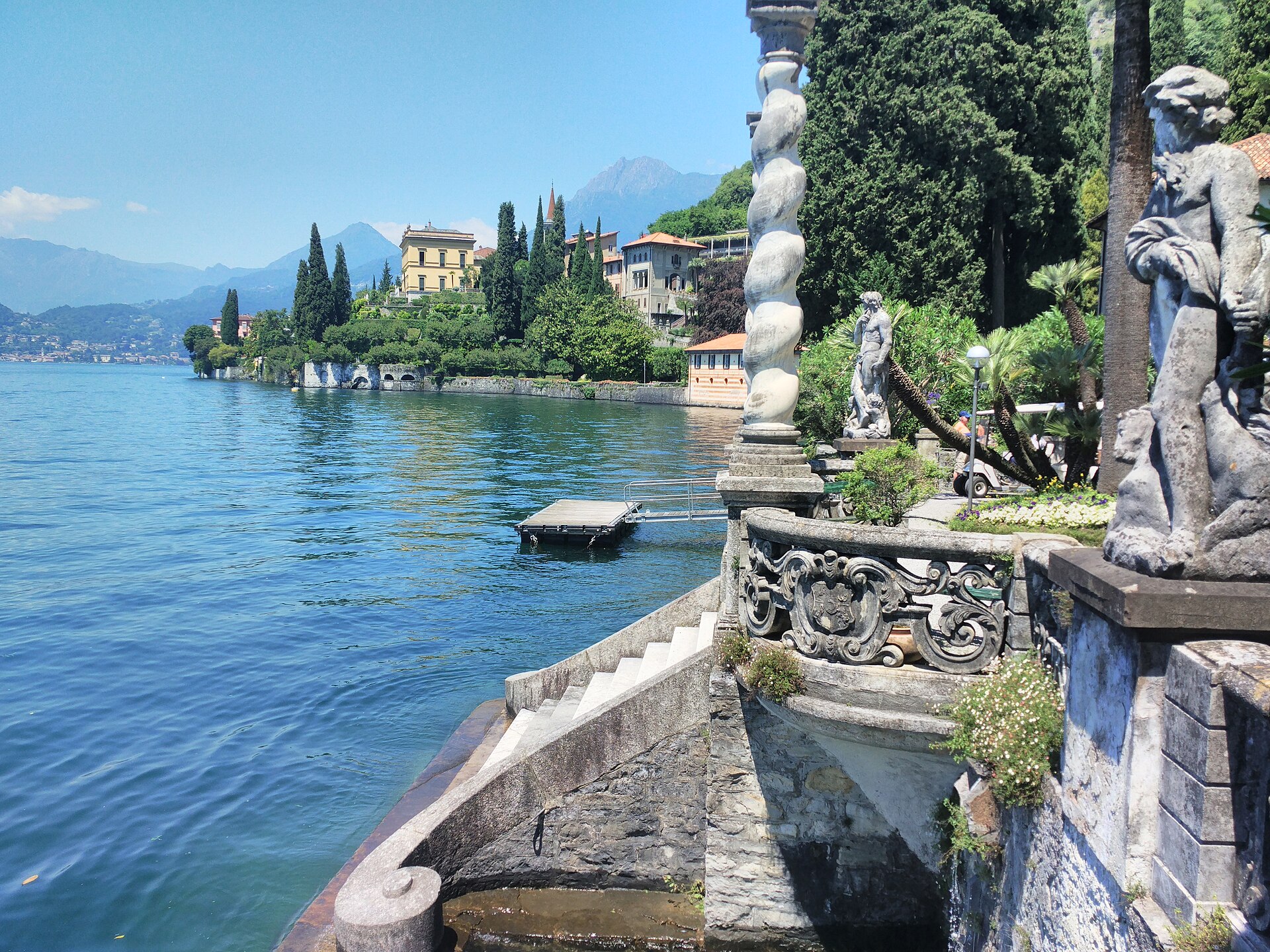

Villa Monastero is one of Varenna’s loveliest sights and easy to combine with exploring the town.
Its history reaches back to the Middle Ages. Originally a monastery, it was later converted into an elegant residence.
Its most distinctive feature is the botanical garden stretching along the shore.
Long and narrow, the garden turns a visit into an almost continuous waterfront walk. Statues, little pavilions, flowerbeds and terraces alternate, with the lake beside you almost all the way.
The relatively mild local climate allows numerous Mediterranean and exotic plants to grow here.
How do you get there?
Varenna is one of the easiest lakeside towns to reach.
Direct trains from Milan arrive at Varenna-Esino; the entrance is around a 15–20-minute walk from the station.
From Bellagio or Menaggio, take a ferry to Varenna’s harbour, then walk around 10–15 minutes to the villa.
The route passes through the old town, making it easy to combine with a pleasant stroll.
Tickets and visiting
Standard 2026 adult prices are €13 for the botanical garden or €15 for garden and house museum.
Buy online or on arrival; individual visitors do not need compulsory advance reservations.
Online tickets are valid for the selected date and generally cannot be changed afterwards.
Opening hours vary by season. In summer the garden may remain open until 8 pm; autumn and winter bring shorter hours and closure days. For the Christmas lights programme from 7 November 2026 to 10 January 2027, the official website lists €18 for an adult garden-and-museum ticket. Do not automatically use the €13 and €15 standard prices for a festive visit.
How long should you allow?
About 1–1½ hours for the garden, or around two hours including the museum rooms.
I would particularly recommend Monastero for waterfront walks, historic gardens and photography.
Official information and tickets: Villa Monastero.
Villa Melzi – one of Bellagio’s loveliest gardens
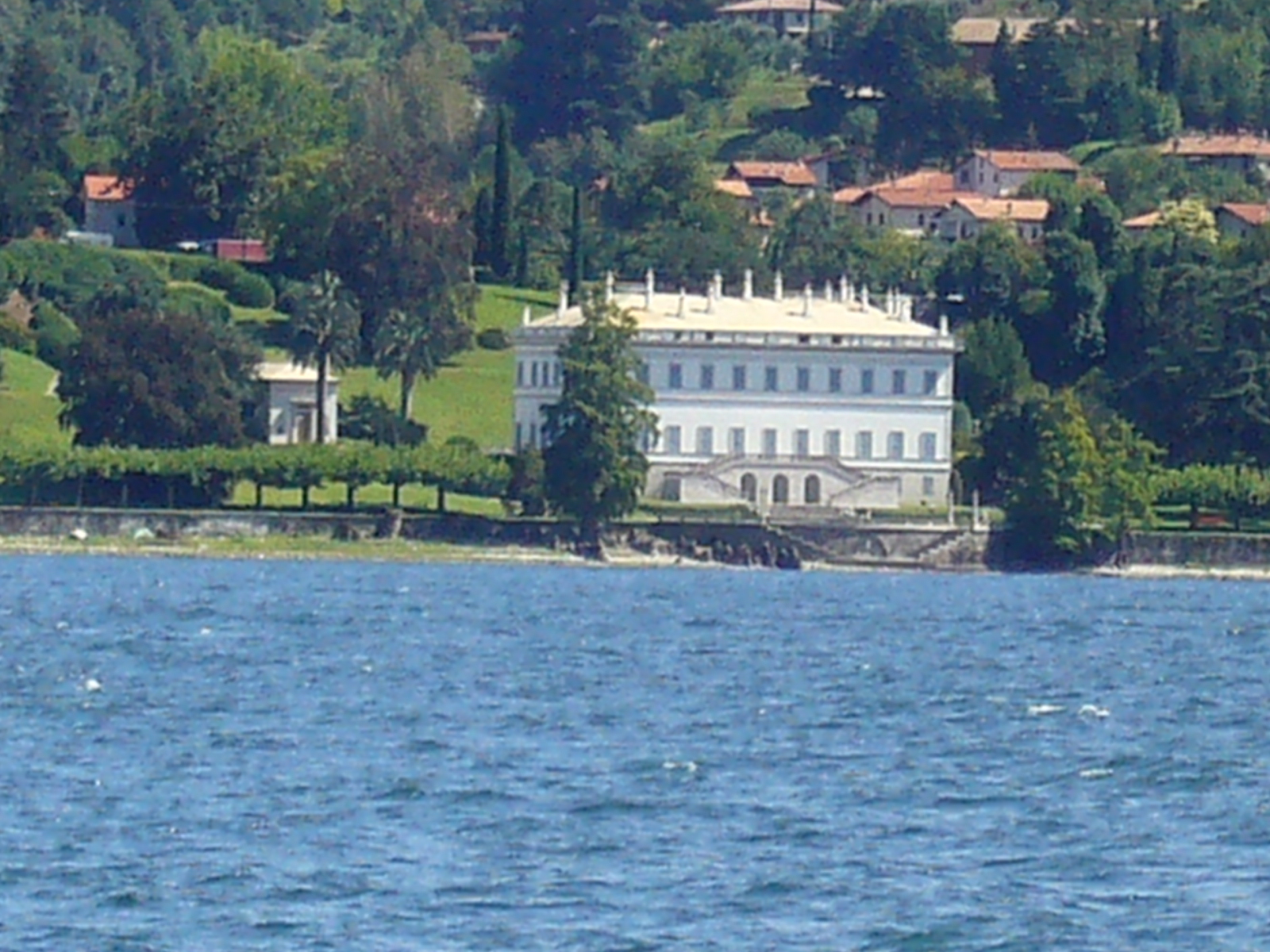

Villa Melzi in Bellagio is a little more understated, but every bit as enjoyable as the lake’s more famous villas.
The estate was created in the early 19th century for Francesco Melzi d’Eril, an important Italian political figure of the Napoleonic era.
The park runs directly beside the water and fits beautifully into the surrounding landscape.
Large trees, carefully planned flowerbeds, sculptures and lake-facing paths alternate. There is also a small museum and a chapel.
What I particularly like is that it feels less like a conventional museum visit and more like a long, peaceful walk through a beautifully maintained park.
How do you get there?
The gardens lie south of Bellagio’s centre.
They are around 10–15 minutes on foot from the ferry pier, so fit easily into even a visit of just a few hours.
From Como, reach Bellagio by boat or C130 bus. From Varenna and Menaggio, central-lake ferries are the most convenient option.
Tickets and visiting
The listed 2026 adult ticket is €10, including garden, museum and chapel.
The main house itself is privately owned and its interiors are not open to visitors.
Buy tickets at the garden entrance; advance reservations are unnecessary.
The gardens are seasonal. When checked on 8 November 2026, they were already closed for winter, with the official website indicating reopening in late March 2027. Do not count on a garden visit in a winter itinerary. Check the new season’s exact opening date and prices before travelling.
How long should you allow?
A comfortable visit takes 1–1½ hours, longer if you enjoy photography or sitting by the lake.
Melzi fits particularly well into a Bellagio day: explore the old town in the morning, then enjoy the gardens.
Official information: Giardini di Villa Melzi.
Which villa should you choose if you cannot see them all?
For just one, I would choose Villa del Balbianello. The peninsula setting and terrace views are especially memorable, and the interiors are interesting too.
If flowers, gardens and art matter most, Carlotta may suit you better, particularly in spring.
Monastero is ideal when Varenna is already in your plans; Melzi fits perfectly into a Bellagio morning or afternoon.
You do not need all four. Two thoughtfully chosen villas are often more enjoyable than rushing through four.
If you want all four, add more days. Geographically, Melzi–Monastero and Carlotta–Balbianello are natural pairings, but boats, lunch, walking and interiors together create a busy day. Put two villas into one day only with compatible opening hours and checked connections.
Lake Como’s more active side
Most visitors come for towns and boats, but the area is also excellent for walking.
One pleasant route is the Greenway del Lago di Como along the western shore between Colonno and Griante. The official FAQ gives a distance of 11.2 kilometres. Around 3½–4 hours is a starting estimate for walking alone; with lunch, photographs and village visits, allow half a day or even a full day. It is not a flat promenade throughout: there are steps and climbs. Official route and FAQs.
The route passes little villages, old churches, stone steps and stretches of shore that show the lake from a different perspective.
You do not have to walk the entire route. Join at several points, then return to your accommodation by bus or boat.
If you prefer time on the water, look for kayaking, SUP and boating options. Before hiring a boat independently, check local rules and take the weather seriously. Winds can change relatively quickly between the mountains.
What should you eat at Lake Como?
A good pasta, pizza or ice cream is rarely a bad starting point in Italy, but look out for local dishes too.
One speciality is risotto con pesce persico, risotto with perch. Missoltini, salted and dried fish often served with polenta, is another traditional local dish.
To keep meal costs down, look a few streets away from the piers. On panoramic waterfront terraces you often pay for the view, while inner streets can hide more homely restaurants.
For dinner, though, it is worth choosing a terrace overlooking the water at least once. An unhurried evening meal with the lake and mountains around you can become one of the trip’s best memories.
How many days should you spend at Lake Como?
A day trip is possible, particularly from Milan, but shows you only a small part of the area.
Two days may cover Como and some central towns. To visit famous villas too without constantly rushing, allow three or four days.
The plan below assumes three full days at the lake. Count your flight day only if you genuinely have time for sightseeing. Adjust the order around your accommodation, villa opening hours and the day’s return transport.
Day 1 – Como and Brunate, with a relaxed start
Spend the morning at the cathedral, in the old town and over coffee, then head to the waterfront after lunch. In clear weather, with the funicular operating, Brunate makes a good afternoon addition. Give the ride, queues and walking at the top their own afternoon slot. The uphill route to the lighthouse is an extra activity, not something immediately beside the upper station.
If you arrive late or the weather is poor, skip Brunate. There is no need to squeeze Bellagio into a short first day as well.
Day 2 – Varenna and Bellagio, with one chosen villa
Head to the central lake in the morning. If arriving in Varenna by train, I would visit the harbour and Lovers’ Walk, then Monastero before lunch. Afterwards, cross to Bellagio and spend the afternoon on its stepped streets, waterfront and Punta Spartivento.
If Melzi interests you more, start with its gardens in Bellagio, have lunch and cross to Varenna for a town walk. Choose one villa this day, so the two towns become more than checked-off stops. During Melzi’s winter closure, naturally choose from what is open.
If staying in Como, pay particular attention to both journeys: travelling lengthwise along the lake by conventional boat can take several hours in itself. Fit the day to actual boat or bus timetables, and keep an earlier return option.
Day 3 – Lenno and Balbianello, or Tremezzo and Carlotta
Build a Balbianello day around your reserved entrance. From Lenno’s pier or bus stop, you must first reach the start of the walking path, then climb it. Allow 2–3 hours for garden and guided interiors, plus separate time for getting there and any waiting. Afterwards, Lenno’s waterfront and a relaxed lunch are plenty.
If art and botanical gardens appeal more, choose Carlotta and a walk in Tremezzo. Both major villas may be possible in one day, but I would not make that the default for a first visit.
One or two extra days – the remaining villas and a little freedom
Use day four for the western-shore villa you missed and day five for the other central-lake garden. That lets you see all four without rushing. If completing the set is not important, I would spend the extra time on Bellano, part of the Greenway or a longer lakeside lunch.
Planning just one day?
Only one day from Milan? Choose Como and Brunate, or Varenna and Bellagio with a short boat journey. Seeing the entire lake and several villas in a single day is not realistic.
When should you visit Lake Como?
The lake is beautiful all year, but the experience changes considerably with the seasons.
From April to June, gardens bloom, hillsides turn green and the weather is generally pleasant for sightseeing. Spring is especially rewarding for villa gardens.
July and August bring a full summer atmosphere and the largest crowds. Expect queues at popular piers, higher accommodation prices and busy services.
September and early October can be particularly enjoyable. Outdoor weather is often still suitable, while summer crowds usually ease.
From November to March, the area is quieter. The lake and mountains remain impressive, but several gardens, villas and tourism services operate shorter hours or close temporarily. Boats may be less frequent too.
For the classic combination of boats, walks and famous gardens, I would choose May–June or around September.
A few things worth arranging before you go
One common first-visit mistake is fitting too many towns into one day. Distances look small on a map, but boat connections and lakeside roads make travelling time-consuming.
In summer, book accommodation and popular villa tickets in advance. This is especially important at Balbianello, where reservations are compulsory.
If taking boats, check return services in the morning too. Fast and conventional boats have different journey times: account for that in your itinerary.
I would hire a car only to explore less-visited mountain villages or reach accommodation with awkward public transport. In popular lakeside towns, traffic and parking can create more inconvenience than freedom.
Comfortable shoes matter more than you might expect. Bellagio and Varenna have steep, stony or stepped streets, and some villa gardens involve longer climbs.
Is Lake Como worth visiting?
If you enjoy places where nature and the built environment seem inseparable, you will probably love Lake Como.
The highlight may not be one famous building or museum. It might be a boat journey, watching waterfront houses from the deck, or a quiet Varenna morning with only a handful of people by the harbour.
Perhaps standing on a Balbianello terrace is when you understand its popularity: mountains behind, water sparkling below, and for a moment the feeling of stepping into an old Italian film.
Lake Como is popular, and its best-known places can be crowded. Yet quieter moments are easy to find if you do not schedule every minute.
That may be the best advice for this kind of trip: plan enough to get around easily, but leave time to enjoy where you are.
Because at Lake Como, the best part of the day is sometimes the one you never planned.
The original article’s practical details were checked in November 2026. Ticket prices, timetables and opening hours can change seasonally, so check official providers before travelling.